
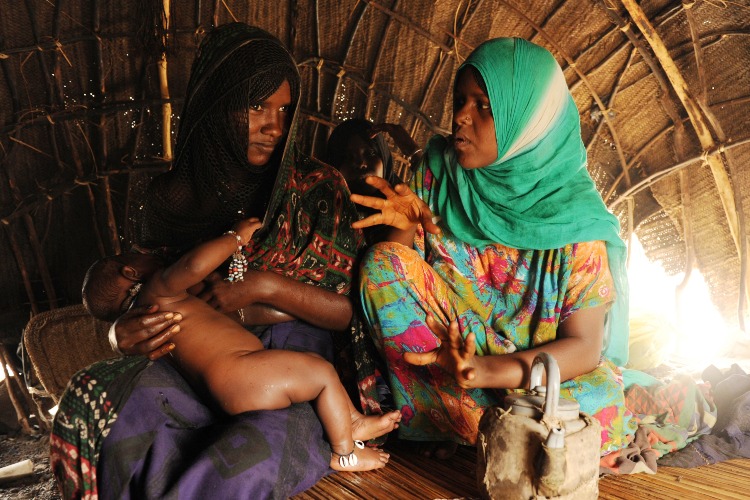
Local women are trained as Women Extension Workers and Traditional Birth Attendants. Extension Workers act like community social workers – counselling families and raising awareness of girls’ rights – while Birth Attendants focus on safe pregnancy and childbirth. Together, they challenge FGM and child marriage and intervene at critical moments to protect girls.
AREAS WE WORK
Harmful traditional practices
To this day, traditions like Female Genital Mutilation (FGM) and child marriage continue across parts of Ethiopia. Although both are illegal, they remain deeply ingrained, especially in remote and rural communities. These traditions endanger girls’ lives, violate their basic human rights and rob them of their health, education and future opportunities.
Confirmation Content
FAST FACTS
The challenge today
65% of girls and women aged 15 to 49 years across Ethiopia have experienced FGM.
Of these, 68% are from rural areas.
Meanwhile 2 in 5 girls in Ethiopia are married or in union before their 18th birthday.
And 1 in 3 of these child brides are married to men who are at least 10 years older.
OUR AIM
To end Female Genital Mutilation and child marriage in Ethiopia through sustained, community-wide education that challenges harmful norms and champions human rights.
Confirmation Content
WHAT YOUR DONATIONS DO
Solution in action
For such long-held and deeply ingrained traditions, change must be rooted in education and happen with communities, not against them.
Training local women
Workshops for leaders
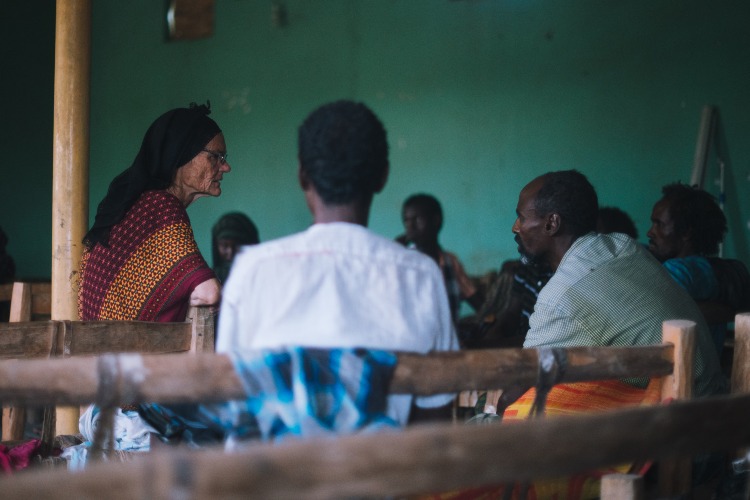
In many rural areas, clan and religious leaders hold more authority than formal law. Intensive workshops bring these leaders together to examine the medical, legal and human impacts of FGM and child marriage, build consensus against them, and equip leaders to champion safer, rights-respecting norms in their own communities.
Media awareness
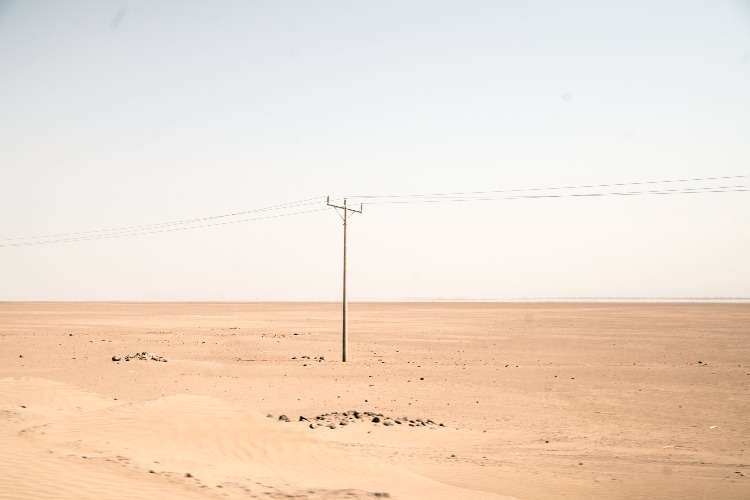
FM radio ads and film screenings in the markets spread educational messages far beyond the reach of roads and clinics. By repeating clear, trusted information in local languages, media campaigns help shift attitudes over time, grow awareness of human rights, and build momentum to end traditions like FGM and child marriage for good.
FGM practitioners
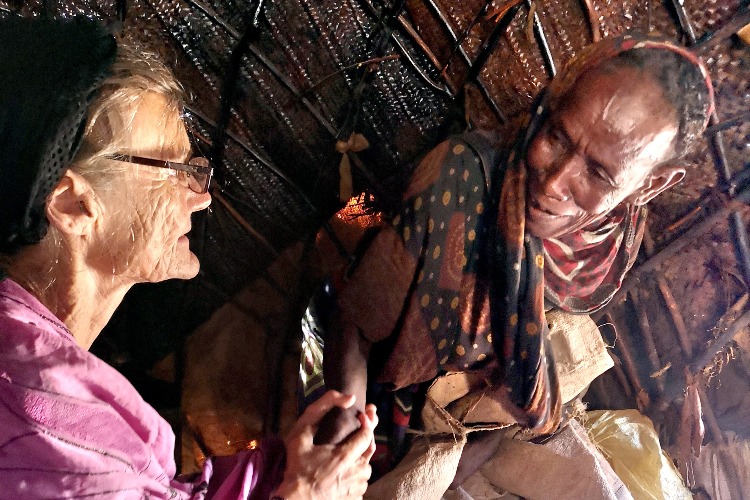
Women who perform FGM are invited to conferences on the health risks and the lack of any religious requirement for cutting. This work cuts to the heart of ending the practice, and is combined with wider community education so families do not simply seek another cutter. Some practitioners go on to train as Women Extension Workers or Traditional Birth Attendants, becoming powerful advocates for change.
Empowering youth
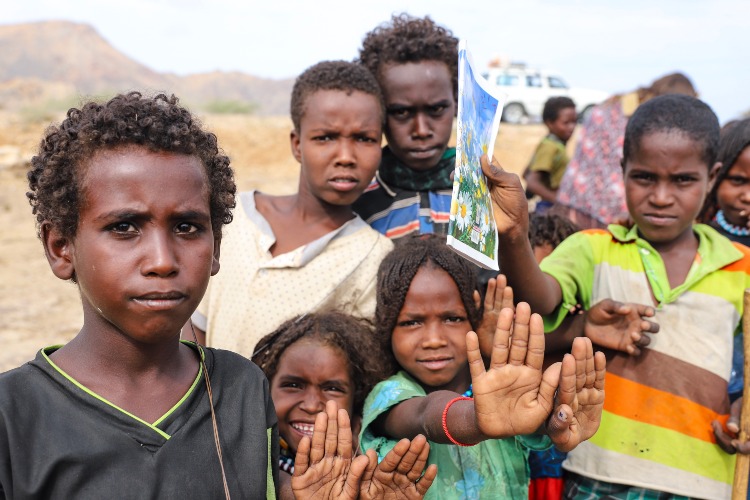
Young people rarely have a say in community decisions, even when those decisions place them at risk. Youth-to-youth workshops and facilitated dialogues with clan leaders give girls and boys a platform to speak respectfully about their experiences, learn their rights and have a say over the traditions that shape their futures.
Rural literacy
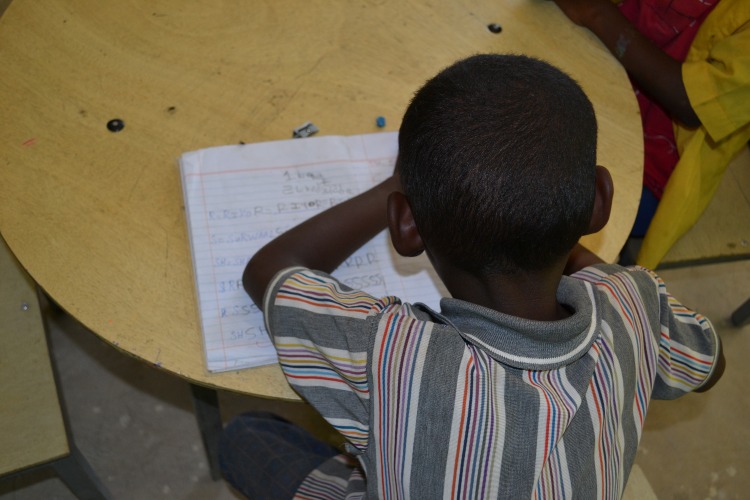
In remote pastoralist areas, formal schools may be nonexistent or out of reach. Alternative basic education offers flexible, community-based learning for children and adults. As literacy grows, so does the ability to question harmful traditions, understand the law and imagine different futures beyond “this is how it’s always done.”
Confirmation Content
THE IMPACT YOU CAN HAVE
“I used to cut my daughters and marry them early but now I stopped."
Ever since she was a child, Aisha believed Female Genital Mutilation and early marriage were simply part of life. That began to change when a Women Extension Worker from our local project partners (the Afar Pastoralist Development Association - APDA) visited her village. Women Extension Workers are trained community educators – much like social workers – who focus on women and girls’ rights, health and education, and who build trust over time through regular home and community visits.
“Through trainings and awareness, we became more aware of the harm these practices bring; why women have difficulties during delivery, bleeding, passing urine and other problems that ruin their lives. We all woke up to how we had suffered,” Aisha explains.
“Before we learned all these things I used to cut my daughters and marry them early, but now I’ve stopped. I advise my community to stop it too.”
Since then, Aisha has stayed in close contact with the Women Extension Worker, attending nearby workshops and seeking advice when needed. She has stopped FGM and early marriage in her own family and now speaks with other parents and elders, sharing what she has learned and encouraging safer, rights-respecting paths for their daughters.
Aisha’s decision shows how sustained, community-based education can shift long-held beliefs and help bring harmful traditions to an end for future generations.

Confirmation Content
MEET THE TEAM
Project partners in Ethiopia
❯ Afar Pastoralist Development Association
Founded by Australian nurse Valerie Browning and Afar leaders in 1993, the Afar Pastoralist Development Association (APDA) was created to meet the unique needs faced by the isolated and nomadic people of Ethiopia's north-east Afar region. Today, APDA works to end harmful traditional practices like Female Genital Mutilation and child marriage, advocate for the rights of women and girls, and build up mobile, adaptable health and education services.
Confirmation Content
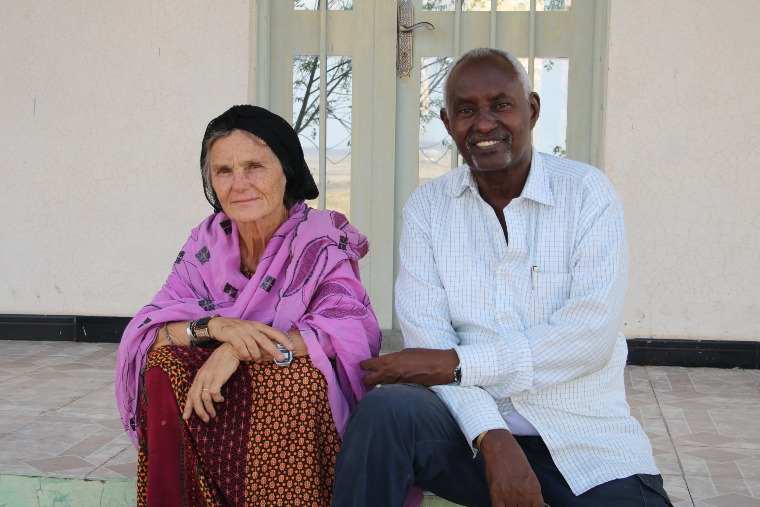
Valerie Browning & husband Ismael Ali Gardo who founded APDA
Confirmation Content
CHANGE IS HAPPENING
Long-term progress
This timeline starts in the 1980s, when LiveAid first turned global attention toward Ethiopia, and reflects not one organisation’s efforts but decades of communities, local leaders, governments and international partners working together in the same direction.
1980s: Harmful practices widespread
Both FGM and child marriage are widespread across Ethiopia, with national prevalence commonly estimated at around three-quarters of women and girls or more.
1985: LiveAid
LiveAid brings Ethiopia to global attention, galvanising international concern and laying the groundwork for immediate aid and long-term change.
1989: Ethiopiaid founded
Ethiopiaid is founded in the UK with a mission to break the cycle of poverty in Ethiopia.
1990–1991: Mutilation, not circumcision
The Inter-African Committee on Traditional Practices and the World Health Organisation begin using the term “Female Genital Mutilation” rather than “female circumcision”, recognising the severity of the practice.
1993: APDA founded
The Afar Pastoralist Development Association (APDA) is founded to respond to the needs of isolated, nomadic communities in Afar, including tackling FGM and child marriage.
1995: Minimum age of marriage 15
Ethiopia sets the minimum legal age of marriage at 15, an early legal step that still falls short of global standards on child marriage.
2000: Child marriage officially illegal
The revised Family Code sets 18 as the minimum legal age of marriage for both women and men, making child marriage illegal in federal law.
2000: FGM 80%
About 80% of women aged 15–49 have undergone FGM (Ethiopia Demographic & Health Survey 2000).
2004–2005: FGM criminalised
Ethiopia’s new Criminal Code comes into force, explicitly criminalising FGM and other harmful traditional practices.
2005: FGM starting to decline
Around 74% of women aged 15–49 have experienced FGM, down from 80% (Ethiopia Demographic & Health Survey 2005).
2005: Rates of child marriage
49% of women aged 20–24 are married before age 18 (Ethiopia Demographic & Health Survey 2005).
2011: Child marriage starting to decline
Down from 49%, now 41% of women aged 20–24 are married before 18 (Ethiopia Demographic & Health Survey 2011).
2016: Progress increasing
By 2016, about 65% of women aged 15–49 have undergone FGM, and 40% of women aged 20–24 are married before 18 (Ethiopia Demographic & Health Survey 2016). It’s clear progress, but millions of girls are still affected.
Confirmation Content
BE PART OF POSITIVE CHANGE
Donate today to fuel the education that helps communities in Ethiopia leave Female Genital Mutilation and child marriage behind for good.
Ethiopiaid Australia believes in dignity, equality and justice for all people. We acknowledge the Traditional Owners of the lands on which we work in Australia, and pay our respects to their people, cultures and Elders past and present. Whether in Australia, Ethiopia or around the world, we affirm the importance of universal human rights and the inherent dignity of every person.
Confirmation Content
