
AREAS WE WORK
Palliative care
Hospice and palliative care are still emerging in Ethiopia, with low awareness and limited services, especially outside major cities. For those with terminal illnesses, pain relief and specialised support remain out of reach, and families can be pushed into desperate debt trying to pay for treatment. While the wealthy may travel abroad for care, most people face their final days in unnecessary pain, confusion and isolation.
Confirmation Content
FAST FACTS
The challenge today
Cancer and non-communicable diseases are on the rise, with very poor five-year survival because people present late, have limited treatment options and struggle to access care.
Roughly 500,000 Ethiopians currently live with terminal illness who could benefit from palliative care - yet over 95% currently have no access.
Most cancer treatments are paid for out-of-pocket, often forcing families living in poverty to sell land, homes or wedding gold, pushing them into deeper financial hardship.
Morphine access is extremely limited, and palliative care is neither publicly funded nor routinely included in medical training.
OUR AIM
To expand public awareness of hospice and palliative care, build skilled services nationwide and strengthen Ethiopia’s capacity for quality end-of-life support, so that anyone with a terminal illness can live their final days with peace and dignity.
Confirmation Content
WHAT YOUR DONATIONS DO
Solution in action
Change begins with helping patients and training medical professionals, but lasting impact depends on building skills, systems and awareness so quality palliative care can reach across all of Ethiopia.
Patient and family care
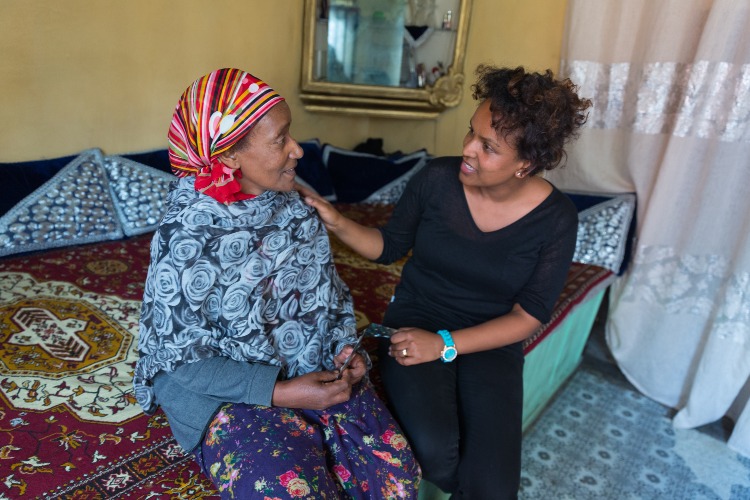
Home-based palliative care teams visit patients with advanced illness in their own homes, supported by outpatient clinics and day care centres where people can receive medical reviews, pain management and social support. Families are taught how to care for their loved one safely, and offered grief counselling and practical financial assistance. This holistic approach eases physical pain, reduces isolation and helps families cope emotionally and economically.
Training health professionals
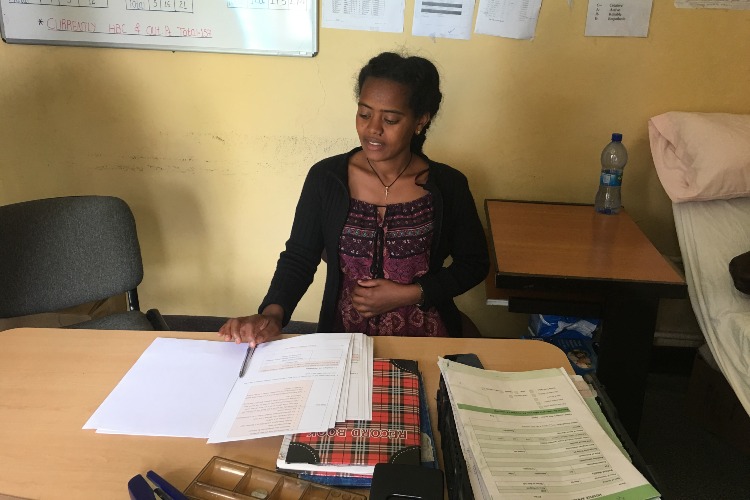
Doctors, nurses and other health workers are trained in palliative care principles, pain assessment and long-term pain control, including the safe use of morphine and other essential medicines. As more professionals gain these skills, hospitals and clinics are better able to recognise when patients need palliative care and to integrate pain relief into routine treatment, slowly building a stronger network of support across the health system.
Public and policy
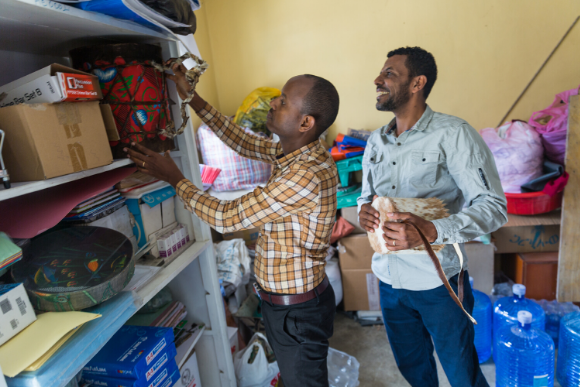
Community talks, media stories and professional networks raise awareness of what palliative care is, who it can help and why it matters. At the same time, engagement with health authorities and policymakers advocates for palliative care to be recognised, funded and included in national health strategies and training curricula, laying the groundwork for services that can one day reach people across the country.
Confirmation Content
THE IMPACT YOU CAN HAVE
“I have no pain anymore and no fear.”
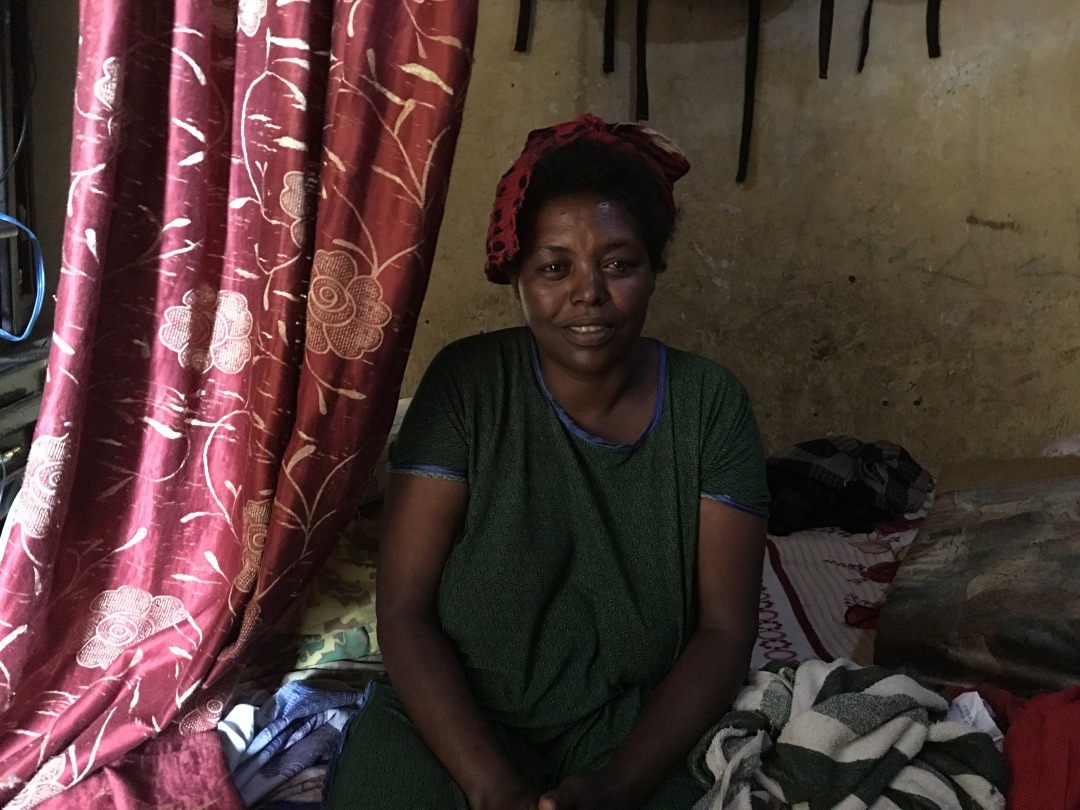
At 40, and a mother of four, Azeb had been battling cervical cancer for several years. By the time project partners Hospice Ethiopia first met her, she was in severe pain, unable to walk or sit up, and living with a maggot-infested tumour wound. Without access to specialist care, she faced each day in agony and fear, worried not only about her own suffering but about what would happen to her children when she was gone.
Hospice Ethiopia’s team began regular home visits, cleaning and dressing her wound, providing strong pain relief and managing other distressing symptoms so she could rest and sleep. They offered emotional support and spiritual care, listened to her fears, and helped her talk with her family about what lay ahead. Financial support eased the strain of transport, food and basic necessities, and staff worked with her relatives so they felt more confident caring for her at home.
“The medical and financial help I got from Hospice Ethiopia was enormous,” Azeb said. “Before I was in darkness. It is around me still and some days it feels very heavy, but the nurses are here with me. I have no pain anymore and no fear. I have trust for my family’s future. I have peace.”
Her story shows how palliative care can transform a person’s final months from unbearable pain and anxiety to a time of greater comfort, dignity and reassurance for both patient and family.
Confirmation Content
MEET THE TEAM
Project partners in Ethiopia
❯ Hospice Ethiopia
Hospice Ethiopia was established in 2003. Along with their patient and family member support, they work to create greater awareness about the existence and benefits of palliative care by training health professionals, encouraging referrals to hospice care from general health clinics and sharing research in palliative care across Ethiopia.
Confirmation Content
Confirmation Content
BE PART OF POSITIVE CHANGE
Donate today to help expand palliative care in Ethiopia, so more people with terminal illness can receive pain relief, support and dignity at the end of life.
Ethiopiaid Australia believes in dignity, equality and justice for all people. We acknowledge the Traditional Owners of the lands on which we work in Australia, and pay our respects to their people, cultures and Elders past and present. Whether in Australia, Ethiopia or around the world, we affirm the importance of universal human rights and the inherent dignity of every person.
Confirmation Content
