One Year On: The Human Cost of the USAID Freeze in
Ethiopia
14 May 2026
One year after the shutdown and freezing of major USAID programs, the effects are still being felt across Ethiopia — not only in communities relying on aid, but among the Ethiopian humanitarian workers who dedicated their lives to supporting them.
In a recent article for Devex, journalist Ayenat Mersie reported that many Ethiopian aid workers who lost their jobs after the USAID freeze remain unemployed, financially strained, and uncertain about the future.
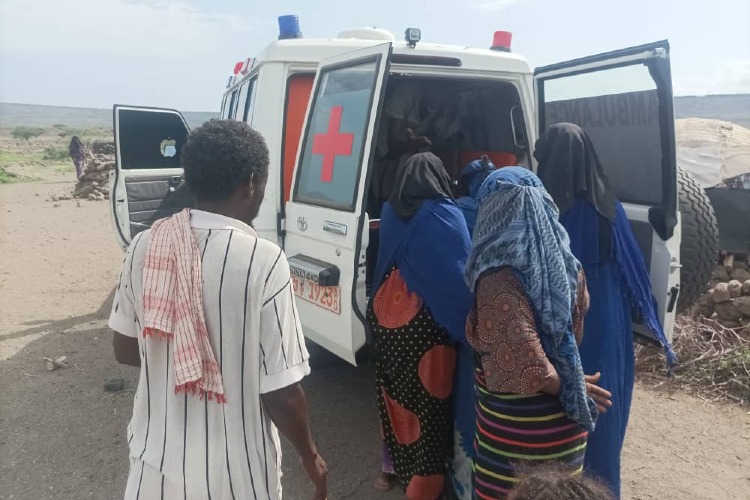
For many in Ethiopia, the shutdown was not simply about politics or foreign policy. It meant clinics closing. Outreach programs stopping. Emergency food supplies delayed. Health workers and humanitarian staff suddenly left without salaries, often in a country already facing conflict, displacement, drought, and rising living costs.
“The fallout is still rippling through Ethiopia”
As Devex reported, the humanitarian workforce in Ethiopia has been deeply affected by the loss of USAID funding. Many aid professionals who once worked across health, food security, women’s protection, and emergency response programs have struggled to find new employment a full year later.
And while headlines often focus on governments and international agencies, the reality on the ground is far more personal.
These are Ethiopian doctors, nurses, project coordinators, social workers, drivers, outreach staff, and community leaders. People who were supporting maternal healthcare in remote regions. Delivering nutrition programs during drought. Running HIV support services. Helping women recover from trauma and violence.
When funding disappeared, many of these programs simply stopped.
The impact on communities
Ethiopia was previously one of the largest recipients of USAID support in sub-Saharan Africa. The sudden freeze disrupted vital systems that millions depended on.
Programs impacted included:
- Emergency food distribution
- Maternal and child healthcare
- HIV and tuberculosis support services
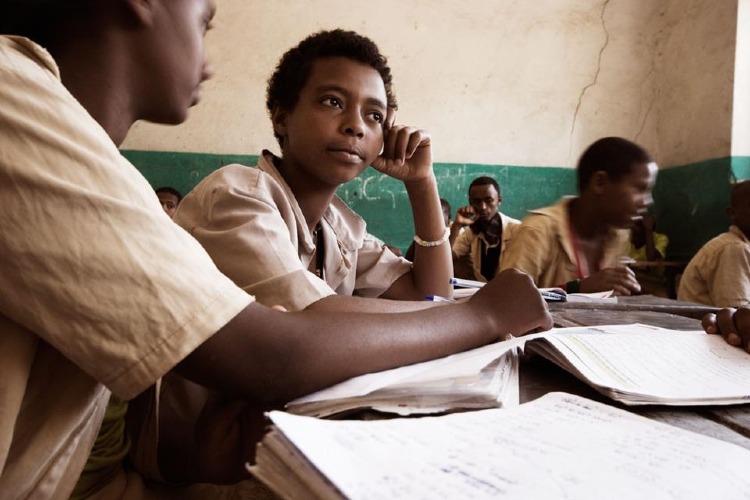
- Nutrition programs for children
- Refugee and displacement assistance
- Training for healthcare workers
- Rural outreach and vaccination programs
At one point during the crisis, tens of thousands of metric tonnes of food supplies were reportedly stranded in Djibouti because there was no funding available to transport them into Ethiopia.
The consequences have stretched far beyond immediate aid delivery. Across the sector, organisations have had to scale back services, reduce staff, or rethink how they operate in an increasingly uncertain funding environment.
What this means for local organisations
The freeze also highlighted a difficult reality within global aid systems: many local organisations and Ethiopian-led initiatives remain heavily dependent on international funding streams.
When large institutional funding disappears overnight, it is local staff and local communities who absorb the shock first.
Yet despite these challenges, Ethiopian organisations and community-led partners continue to show remarkable resilience.
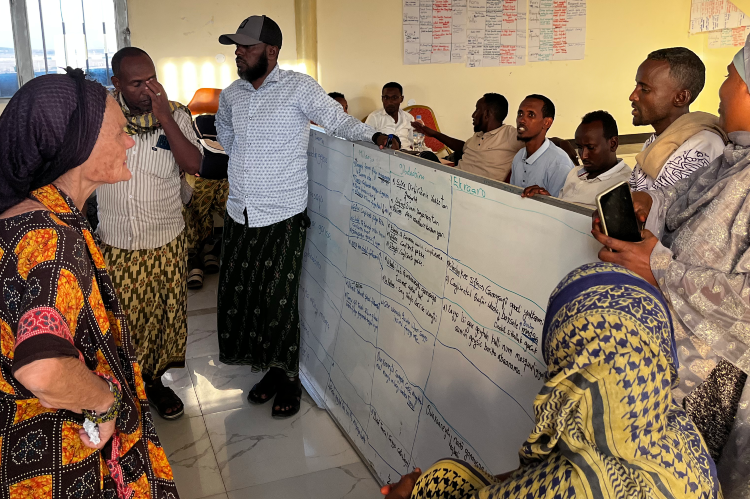
Across the country, local NGOs, healthcare workers, and grassroots organisations are still finding ways to continue essential work — often with fewer resources, smaller teams, and growing demand.
This moment has reinforced the importance of long-term, locally led partnerships that strengthen communities from within, rather than relying solely on short-term emergency funding cycles.
A changing future for aid in Ethiopia
One year on, the humanitarian landscape in Ethiopia looks very different.
There is greater uncertainty. Greater pressure on local organisations. And greater competition for limited global funding.
But there is also a growing recognition that sustainable change must be community-led, locally informed, and built through trusted partnerships that remain present long after headlines fade.
For organisations like Ethiopiaid, this means continuing to stand alongside trusted Ethiopian project partners who remain deeply connected to the communities they serve. Even during times of global funding uncertainty, these partnerships help ensure vital programs can continue reaching women, children, and families who rely on them most.
By supporting Ethiopiaid, donors are helping local organisations across Ethiopia continue delivering essential healthcare, nutrition support, maternal health services, education, livelihoods programs, and emergency assistance — even as international aid systems face increasing strain.
For the people working across Ethiopia’s humanitarian sector, this has never simply been a job.
It is about ensuring families can access healthcare. That children receive nutrition support. That women can give birth safely. That communities facing crisis are not left behind.
And despite the challenges of the past year, that work continues — carried forward by Ethiopian communities, organisations, and aid workers who remain committed to supporting their people through extraordinary uncertainty.
Based on reporting by Ayenat Mersie for Devex.