In the news: Ethiopia update
26 January 2026
See a recap of the major news stories from Africa and Ethiopia.
Get an update on major news in the last 6 months of 2025, plus see how the Trump Administration's USAID freeze - announced in January 2025 - has had continued impact in Ethiopia and around the world.
.
Africa & Ethiopia in the news
A recap of major news stories from Africa and Ethiopia in the last six months.
- Growth without Gains:
Growth without gains: Africa is home to 11 of the world’s 20 fastest-growing economies, including Ethiopia. However, many are struggling to meet the UN’s Sustainable Development Goals due to a USD 670 billion annual funding gap. Rising debt is forcing governments to spend more on interest than on sustainable education or healthcare.
(The Reporter Ethiopia, 13 Sep 2025)
-
Tigray tensions resurface:
The 2022 peace deal between Ethiopia’s federal government and regional party the Tigray People’s Liberation Front (TPLF) is under strain, with internal divisions and external Eritrean involvement raising fears of renewed conflict. Residents have once more begun fleeing the region.
(Al Jazeera, 25 Aug 2025)
-
Gender-based violence exposed:
A major investigation found systematic attacks against Tigrayan women and girls during the conflict in Ethiopia’s north from 2022-24. Some perpetrators explicitly expressed intent to damage fertility, prevent births, humiliate, and control the Tigrayan population. This may amount to crimes against humanity and even genocide, given the deliberate targeting of reproductive capacity.
(Physicians for Human Rights, 31 Jul 2025)
-
Brain drain deepens:
Despite expanded access to education, job opportunities remain scarce in Ethiopia, especially for youth (<30 years) who make up 70% of the population. Youth unemployment rates reached as high as 25.3% in 2022. This is a leading factor why 250,000 Ethiopians migrate each year, creating a shortage of skilled, educated graduates.
(The Conversation, Aug 2025)
-
Public health milestone:
The WHO recognised Ethiopia for achieving Maturity Level 3 in medicines regulation; one of only nine African nations to meet this global standard. This ensures safer, more reliable access to medicines for millions.
(World Health Organisation, 30 Sep 2025)
-
Poverty rising:
The World Bank expects Ethiopia’s poverty rate to climb to 43% (up from 33% in 2016), reversing years of progress. Factors behind the increase include COVID-19, the Tigray conflict, severe droughts, a slowdown in GDP growth, and inflation.
(Addis Standard, Oct 2025)...
.
Needless deaths from the USAID Freeze
Ethiopia was the largest recipient of USAID assistance in sub-Saharan Africa before the Trump administration froze the funding at the start of 2025. This assistance made up about 1.03% of Ethiopia’s GDP (USD 1.32 billion) and supported critical health, nutrition and development programs nationwide.
Immediate impacts:
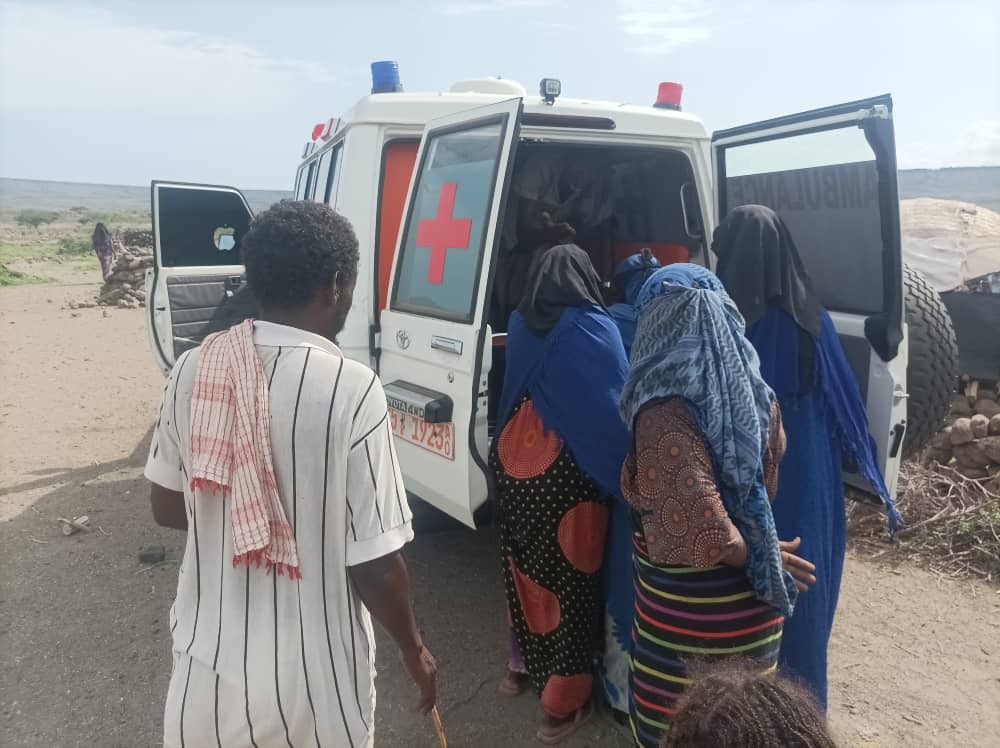
Over 5,000 health workers lost their jobs almost overnight; programs tackling HIV, malaria, immunisation, maternal and child health and GBV care were abruptly halted; food aid shipments stalled; and NGOs had to shut hastily, leaving thousands without support.
Long-term impacts:
Health progress is increasingly at risk; lives are being lost to preventable disease; pregnant women face childbirth without skilled care; communities vulnerable to conflict, drought and food insecurity are slipping further into crisis. Before the freeze, more than 21 million people in Ethiopia needed humanitarian assistance, including 15 million facing hunger – the aid cut has only deepened this.
Global scale:
Globally, there have been estimated 174,524 adult deaths and 362,965 children deaths caused by this funding freeze. That’s roughly 88 needless deaths every hour.
While none of Ethiopiaid’s partners are directly funded by USAID, the fallout has added pressure to already stretched services. Thanks to the compassion of Ethiopiaid supporters from across Australia, extra funds were sent throughout 2025 to critical areas like maternal health and child wellbeing, helping partners meet increased need and keep their services running.
.
Ethiopiaid Australia receives no government support, so this work is 100% powered through the compassion of people across Australia. By making a donation today, you can help sustain the ongoing healthcare and education that's needed to save and transform lives, even as major international funding collapses.
Donate today and help save lives in Ethiopia.