Ethiopia Faces Growing Challenges as Conflict and Rising Costs Deepen Vulnerability
20 July 2026
Across Ethiopia, communities are facing a difficult and uncertain time. Rising food and fuel prices, disruptions to essential supplies, and renewed fears of conflict are placing additional pressure on people who are already struggling to recover from years of hardship.
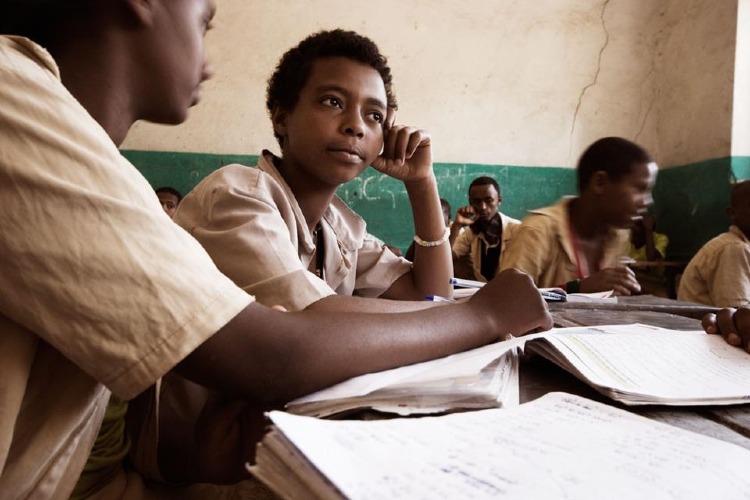
For many families, particularly in vulnerable regions like Afar, these challenges are not distant global events—they are affecting daily life, from putting food on the table to accessing healthcare, education and livelihoods.
Rising prices put food security at risk
Conflict and instability beyond Ethiopia’s borders are having a direct impact on communities across the country. Disruptions to fuel and fertiliser supplies are driving up costs and threatening food production across Sub-Saharan Africa.
Smallholder farmers, who produce the majority of the region’s food supply, are among those most affected. Without affordable access to fertiliser, farmers face reduced harvests and declining incomes, while higher transport costs make it harder to move food to communities that need it most.
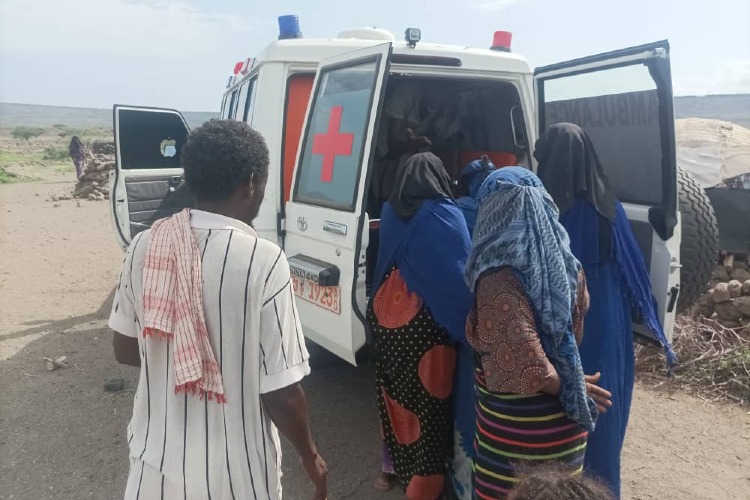
In remote areas of Ethiopia, including Afar, these pressures are already being felt. Rising fuel prices are making it more difficult to transport essential supplies, deliver humanitarian support and provide vital services. As household access to food becomes increasingly strained, rates of malnutrition and related illnesses—particularly among children—are a growing concern.
The longer these challenges continue, the greater the risk of lasting impacts, including increased poverty, reduced agricultural productivity and greater reliance on humanitarian support.
Fragile peace under threat
Alongside the growing economic pressures, Ethiopia is also facing renewed concerns about conflict and instability.
Following recent political developments and rising tensions in northern Ethiopia, fears have emerged that fragile peace agreements could come under strain. The Afar region, which experienced devastating impacts during the 2020–2022 conflict, remains particularly vulnerable.
That conflict left communities facing enormous loss—including the destruction of homes, livelihoods and critical infrastructure. Women and girls were especially affected, with many exposed to conflict-related violence and trauma.
Today, renewed instability could make recovery even harder. At a time when communities are already dealing with rising costs and reduced access to services, the threat of further conflict creates even greater uncertainty for vulnerable families.
Standing alongside communities through uncertainty
While these challenges are significant, communities across Ethiopia continue to show incredible resilience and determination.
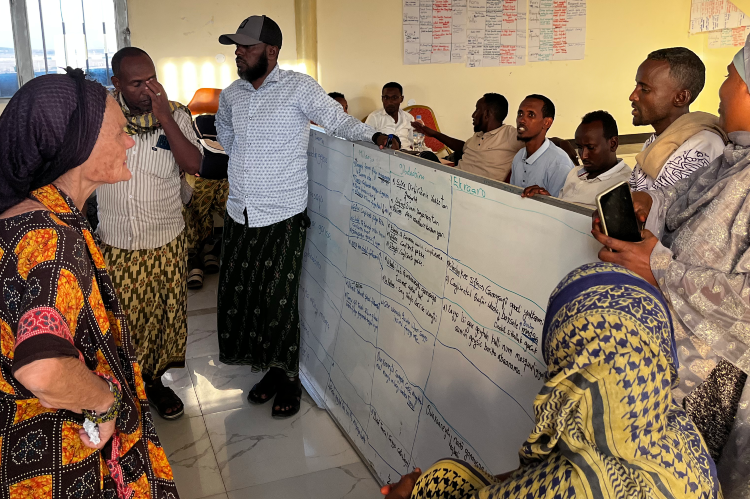
At Ethiopiaid, we remain closely connected with our local partners on the ground—listening to their experiences, understanding the challenges they are facing and adapting our support to respond where it is needed most.
Our partners are embedded within their communities. They understand local challenges, identify practical solutions and continue working every day to support vulnerable children, women and families.
Thanks to the compassion and generosity of our supporters, we can continue standing alongside these communities during uncertain times—helping ensure people have access to the care, protection and opportunities they need to build a safer future.
Your support helps local organisations respond when communities need it most. Together, we can continue creating hope, even in the face of immense challenges.