
AREAS WE WORK
Gender inequality
Barriers like gender-based violence, child marriage, lack of safe toilets and menstrual supplies at school, and scarce healthcare still hold women and girls in Ethiopia back. These barriers mean girls miss out on education and women struggle to earn an income, leaving them disproportionately at risk of poverty. And when a woman lives in poverty, her family and the next generation are far more likely to live in poverty too.
Confirmation Content
FAST FACTS
The challenge today
Women and girls disproportionately carry the burden of household chores at the expense of education or employment. In rural areas this includes many hours each day spent collecting water.
Many schools, especially outside cities, do not meet the needs of girls in terms of safety, available WASH facilities, and quality of education.
Only 56% of girls complete primary school, 16% attend secondary school, and an estimated 10% go on to attend university.
More than a quarter of women have experienced physical and/or sexual violence by a current or former intimate partner.
OUR AIM
To open up equal education and earning opportunities so women and girls can reach their full potential and rise above gender inequality in Ethiopia.
Confirmation Content
WHAT YOUR DONATIONS DO
Solution in action
When a woman can access health, education and income, it's not only her that benefits. She invests this back into her family and helps bring about positive change in her community.
Livelihoods for single mothers
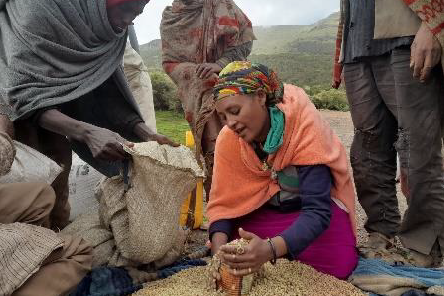
Single mothers receive practical training in agriculture or vocational skills, paired with start-up capital, tools or equipment such as seeds. By helping women build sustainable livelihoods, these programs reduce their vulnerability to exploitation, stabilise household income and improve children’s access to food, schooling and healthcare.
Keeping girls in education
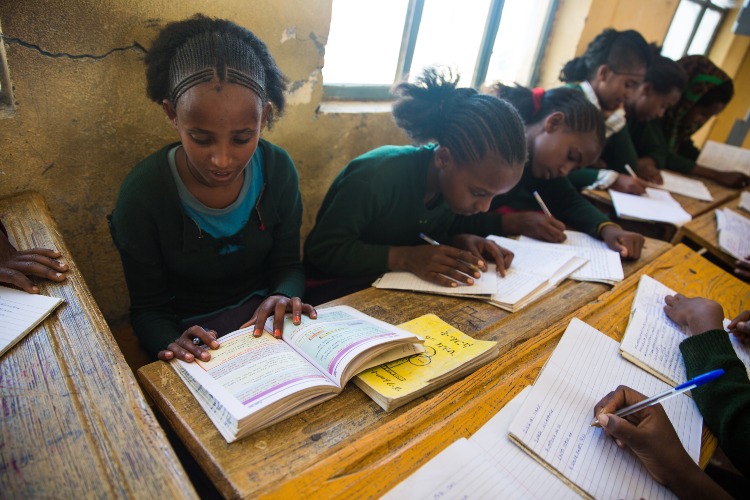
High school and university sponsorships cover fees, books and other essentials that would otherwise force girls to drop out. For students who live far from school, safe boarding homes provide secure accommodation and regular meals, ensuring long distances are no longer a barrier to continued education.
Tackling period poverty
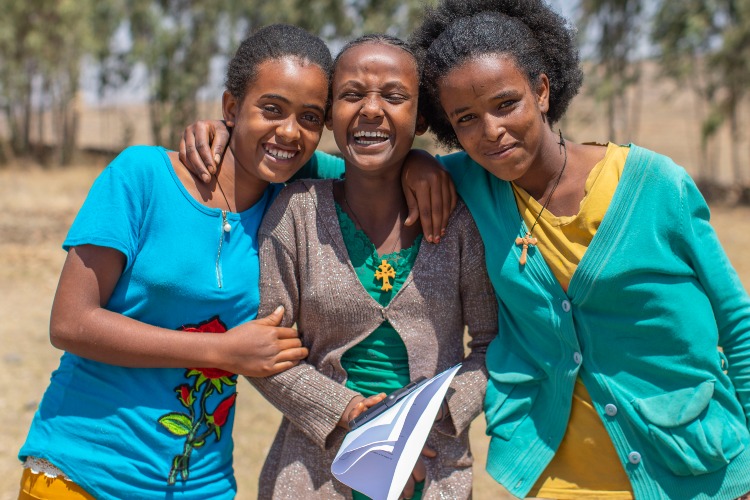
Upgraded school bathrooms, private washing facilities and access to menstrual supplies help girls manage their periods with dignity. Alongside basic menstrual health education, this reduces absenteeism, keeps girls in class and challenges the taboo that so often surrounds menstruation.
Financial empowerment
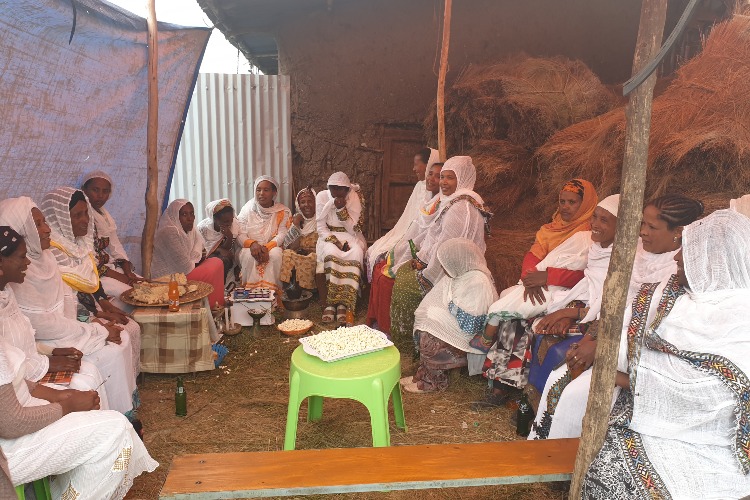
Women’s self-help and savings groups bring female-headed households together to pool resources, access small loans and share practical advice. Over time, these groups build financial resilience, confidence and local leadership, ensuring women have a stronger voice in community decisions that affect their lives.
Addressing gender-based violence
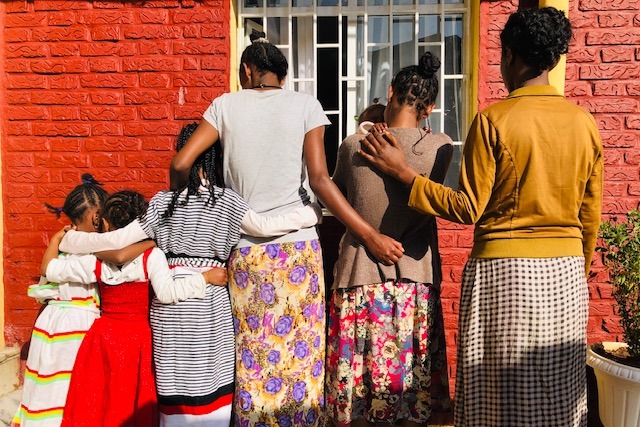
Specialist services offer medical care, psychosocial counselling and legal support for survivors of gender-based violence. At the same time, police, social workers, health staff and educators receive training to recognise abuse, respond safely and coordinate referrals, strengthening local systems so women and girls are better protected.
School gender clubs
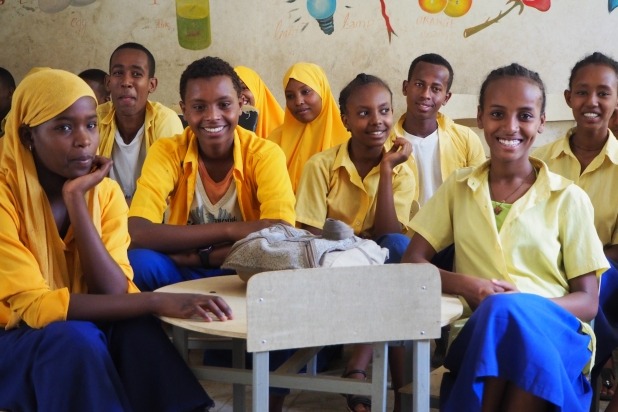
Gender clubs in schools create safe spaces where girls and boys can discuss equality, respect and non-violent relationships. Through peer-led activities, campaigns and anti-bullying initiatives, students learn to challenge harassment, harmful gender roles and violence, helping to shift attitudes in the wider school community.
Confirmation Content
THE IMPACT YOU CAN HAVE
“The sheep is the most important thing for me. It has helped my family so much.”
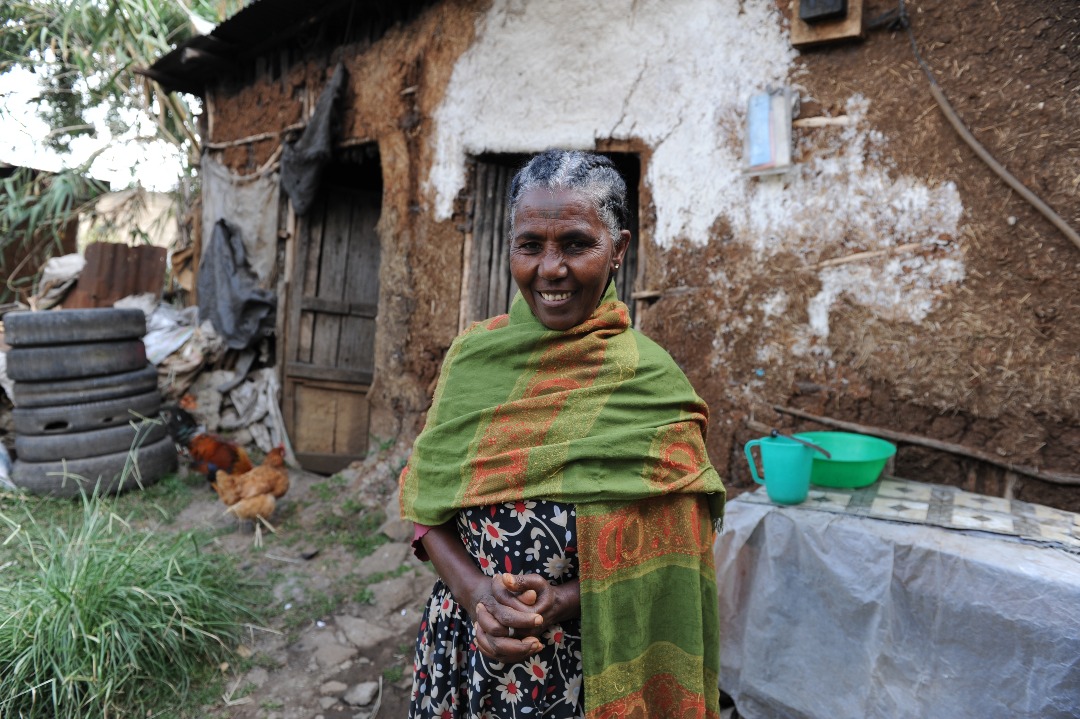
As a single mother living on the outskirts of Gondar city in northern Ethiopia, Mare struggled to feed her five children, let alone keep them in school or pay for basic medication. With no reliable income and rising prices, she often had to choose between buying food, covering rent or seeking healthcare. Any small setback would push the family deeper into crisis.
One day, Mare heard about local partners, Yenege Tesfa, who has a growing reputation in northern Ethiopia for supporting vulnerable families. She enrolled in their agricultural progran, where she received training on how to tend sheep, grow vegetables, manage household finances and sell produce at market. Alongside the training, Mare was provided with starter livestock, seeds and basic tools, as well as hands-on support from project staff. She was also connected with other women in similar situations, sharing advice on animal care, crop choices and how to get fair prices from local traders.
A year later, Mare can afford food, medication and school supplies for her children, and has begun to build small savings for the future.
“The sheep is the most important thing for me," she says. "It has helped my family so much.”
She is now planning to increase both the number and quality of her sheep and hopes to add more chickens to diversify her income.
“I want to improve the number of my sheep and the quality of them. I would like to add more chickens as well.”
Her story shows how targeted training, tools and peer support can help a woman move from daily survival towards a more secure and hopeful future for her family and community.
Confirmation Content
MEET THE TEAM
Project partners in Ethiopia
❯ For-ethiopia
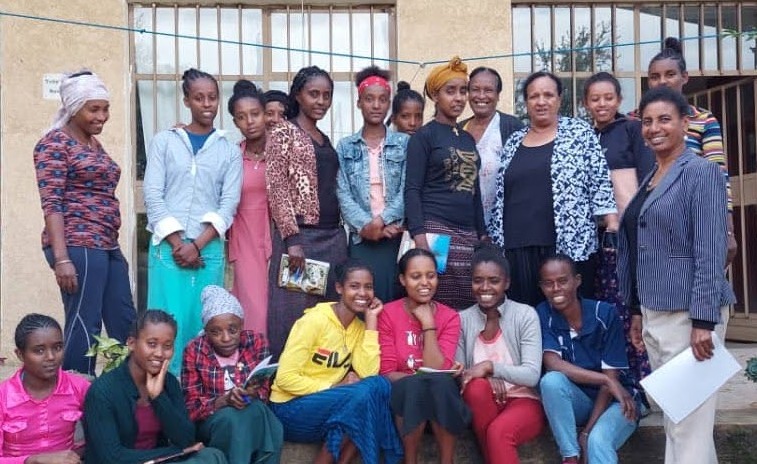
For-ethiopia's mission is to build healthy, educated and self-sufficient communities, with a particular focus on keeping girls in education. They create safe learning and living environments for vulnerable rural girls, enhancing their educational opportunities and paving the way for long-term economic independence.
❯ Yenege Tesfa
Meaning “Hope for Tomorrow”, Yenege Tesfa are there for the most marginalised in society. They offer group homes for homeless children, run mobile schools for kids on the street, sponsor disadvantaged students, fund free medical services, and run agricultural livelihood programs for single mothers.
❯ Jerusalem Children & Community Development Organisation
Established in 1985, the Jerusalem Children & Community Development Organisation (JeCCDO) adopts a child- and community-based approach to provide access to basic services, increase opportunities for children and youth through education and skills training, and improve community development and quality of life.
Confirmation Content
Confirmation Content
BE PART OF POSITIVE CHANGE
Donate today to help women and girls in Ethiopia access education, earn an income and live free from violence and discrimination.
Ethiopiaid Australia believes in dignity, equality and justice for all people. We acknowledge the Traditional Owners of the lands on which we work in Australia, and pay our respects to their people, cultures and Elders past and present. Whether in Australia, Ethiopia or around the world, we affirm the importance of universal human rights and the inherent dignity of every person.
Confirmation Content
