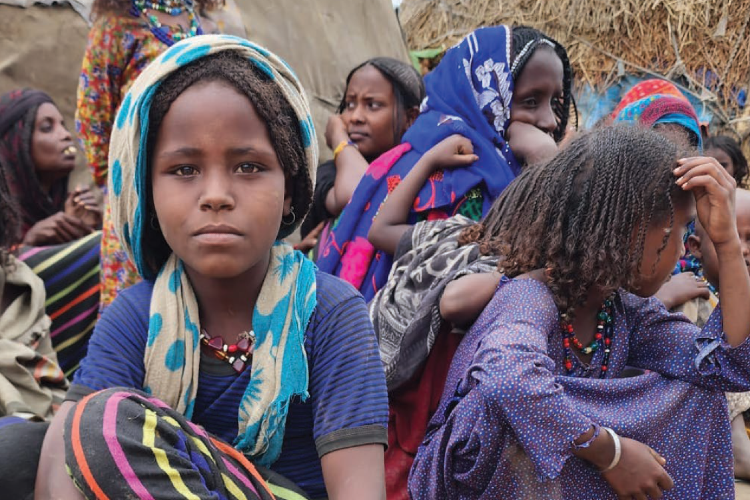
For generations, girls in rural and regional Ethiopia have endured Female Genital Mutilation (FGM) in the name of tradition. But tradition should never come at the cost of a girl’s life.
In the earliest moments of a young girl’s life, she can experience one of the greatest injustices on earth.
Instead of being held, protected and celebrated, she may be subjected to Female Genital Mutilation (FGM) – a traumatic and dangerous practice that continues to affect generations of women and girls across Ethiopia.
In many rural and regional communities, FGM is considered a rite of passage. It is believed to demonstrate a girl’s purity, chastity and readiness for marriage. For generations, mothers and grandmothers have upheld the practice, believing they are protecting their daughters’ futures by ensuring they meet deeply entrenched cultural expectations.
But the consequences can be devastating.
FGM can cause severe pain, haemorrhage, infection, long-term physical complications and psychological trauma. In the most tragic cases, girls die from complications following the procedure.
And in 2026, this continues to happen.
A tradition that must end
The Afar region of Ethiopia is one of the areas most severely affected by FGM.
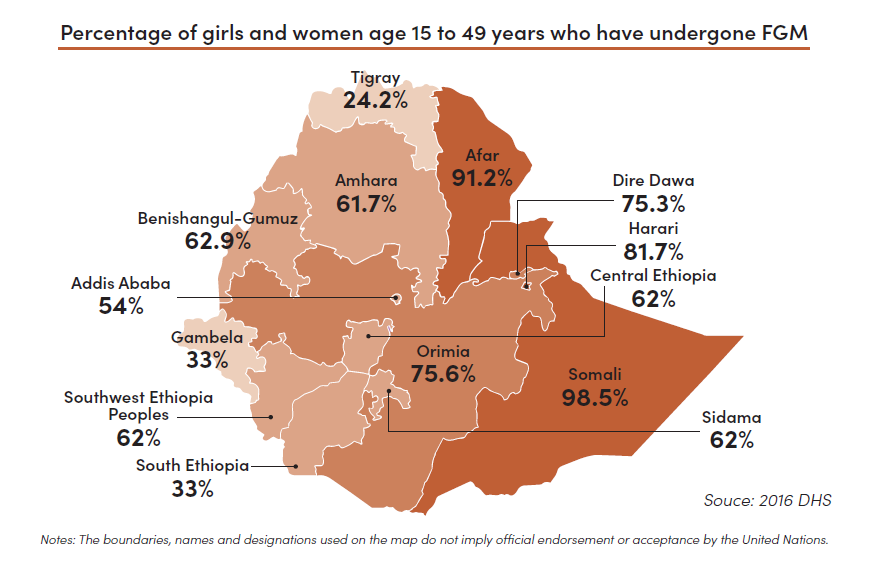
An estimated 91% of women and girls in Afar have experienced the practice, with more than two-thirds subjected to its most severe form.
For many, the procedure takes place before their fifth birthday. Some girls are subjected to FGM in the earliest days of their lives, while others experience it during childbirth.
These are children who should be playing, learning and dreaming about their futures.
Instead, their bodies and their futures are shaped by a practice that has no place in a world where every girl deserves the right to grow up safe, healthy and free.
The heartbreaking reality is that FGM is often perpetuated by the very women who have experienced it themselves. Mothers and grandmothers, who endured the same trauma as children, can feel compelled to continue the tradition because they believe it is necessary for their daughters to be accepted within their communities.
Breaking this cycle requires more than simply telling communities to stop.
It requires education, understanding, empowerment and the support of women who are ready to lead change from within.
Aid works: A generation of change
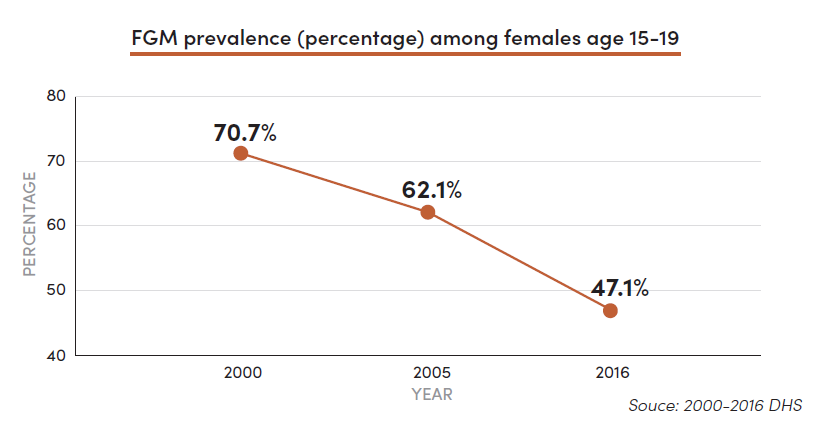
In 2017, Ethiopia outlawed FGM. This was an important step towards protecting women and girls, and progress has been made.
Across urban and regional areas, the prevalence of FGM has steadily declined. However, in remote rural communities, including Afar, the practice remains deeply entrenched.
While prevalence in some urban centres and townships has fallen to between 58% and 65.2% among women and girls aged 15–49, rates in rural Afar remain alarmingly high.
Legislation alone cannot end a practice that has been passed down through generations.
But community-led change can.
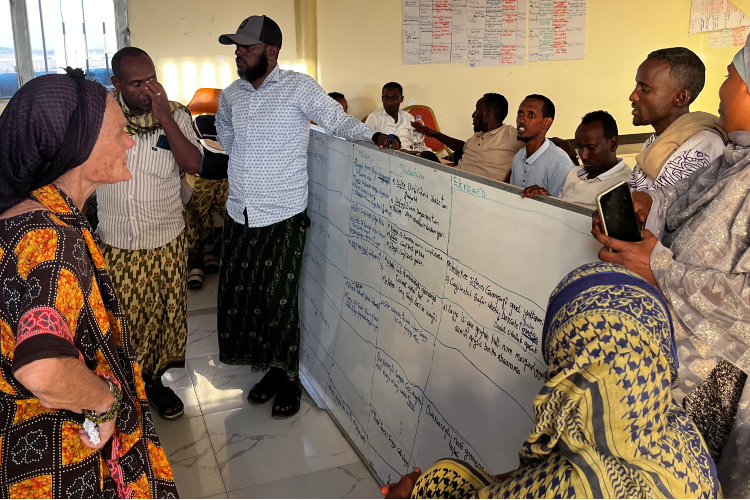
With the growing support of the Afar Pastoral Development Association (APDA), local women are challenging harmful traditions and creating new possibilities for their daughters.
Through education, community engagement and women-led programs, mothers are being supported to make informed choices about their daughters’ futures.
Women are finding the confidence to say no to FGM. Communities are beginning to question practices that were once accepted without challenge. And a new generation of girls is growing up with the possibility of a different future.
This is what happens when aid works.
When communities are empowered to lead their own change, progress becomes more than a possibility. It becomes a movement.