
AREAS WE WORK
Emergency relief
Ethiopia has long faced the harsh realities of crisis – from droughts and failed rains to disease outbreaks and conflict. When disaster hits, it is people already living in poverty who are hit hardest, losing their homes, crops, livestock and sometimes their only access to food or healthcare. Families can be displaced overnight, children forced out of school and whole communities pushed further into hunger and insecurity.
Confirmation Content
FAST FACTS
The challenge today
Ethiopia has a long history of severe droughts and floods, and climate change is increasing the frequency and intensity of these events, driving crop failure, livestock loss and food shortages.
Disaster and conflict combine to deepen existing poverty, pushing already vulnerable families into hunger, displacement and negative coping strategies such as child labour and early marriage.
As of mid-2024, around 4.5 million people in Ethiopia are internally displaced by conflict and climate-related shocks.
More than 10 million people now face hunger and malnutrition, including millions of children and pregnant or breastfeeding women.
OUR AIM
To provide life-saving essentials such as food, clean water, shelter and medical care in times of crisis, and enable communities to rebuild their infrastructure and livelihoods for a more secure future.
Confirmation Content
WHAT YOUR DONATIONS DO
Solution in action
In times of crisis, help must first keep people alive and safe, but true recovery depends on restoring livelihoods and strengthening communities to withstand future shocks.
Essential emergency relief

When disaster strikes, priority is given to life-saving essentials: food distributions for families and communities, clean water through trucking or temporary systems, emergency shelter materials, and urgent medical care. Aid may also include emergency evacuations for those trapped by floods or in danger from earthquakes, ensuring the most vulnerable – including children, older people and those who are sick or disabled – are not left behind.
Rapid, on-the-ground assessment
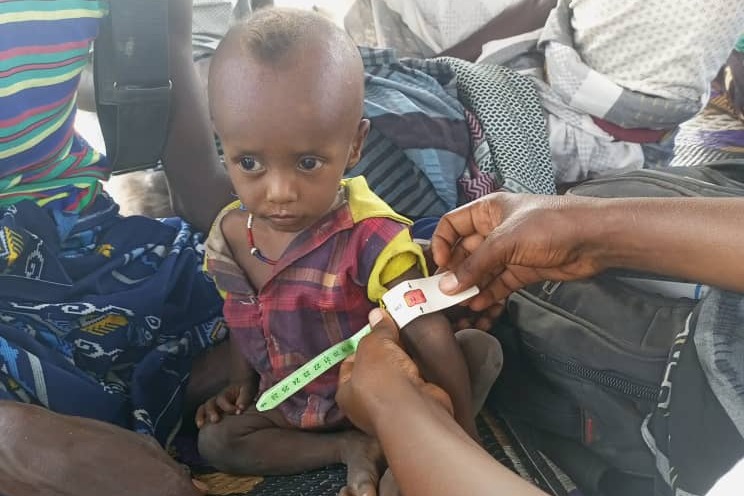
Local partner teams are deployed to affected areas to assess needs, map the most at-risk households and coordinate with community leaders and health centres. They deliver aid face-to-face, help families access basic services and provide practical guidance and psychosocial support during and after the crisis. This presence on the ground ensures that limited resources reach those who need them most, as quickly as possible.
Long-term recovery
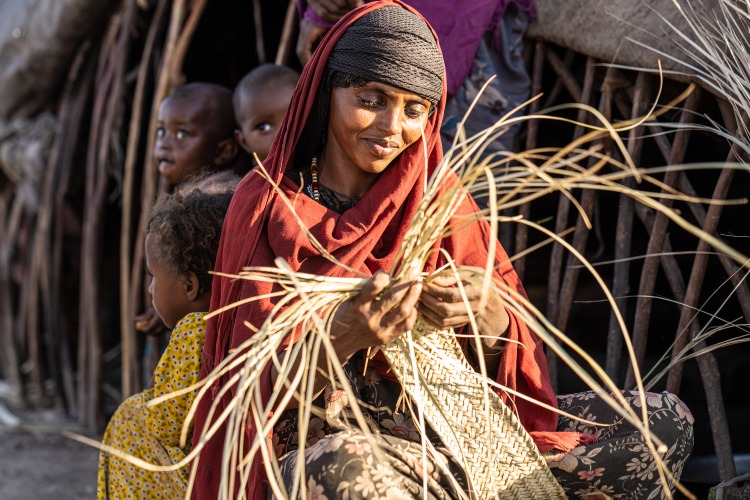
Once immediate needs are stabilised, attention shifts to helping communities rebuild homes, replant fields and restore incomes. This can include providing seeds, tools, livestock or small grants, alongside training in resilient farming, small business skills and disaster preparedness. These measures help households move from dependency on emergency aid towards greater self-reliance and resilience when future crises occur.
Confirmation Content
THE IMPACT YOU CAN HAVE
“Utterly life-saving.”
When cholera struck Teeru in Ethiopia’s Afar region in 2024, project partner Afar Pastoralist Development Association (APDA) knew that time was critical. Cholera is an acute diarrhoeal disease that can kill within hours if left untreated, and less than a day after the first case appeared, dozens of people were already sick.
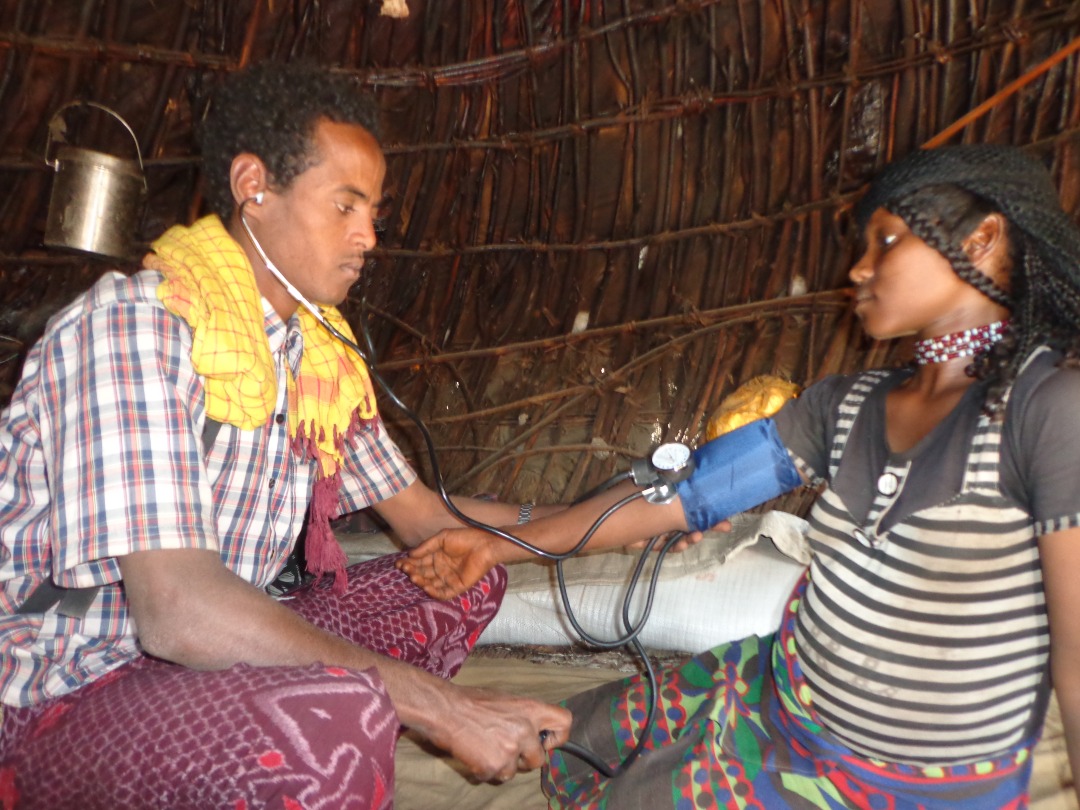
Within hours of the outbreak being reported, thanks to Ethiopiaid Australia supporters, emergency funds were transferred to APDA to help contain the spread. APDA rapidly deployed health workers and delivered water purification tablets, soap and oral rehydration medications to affected communities, working intensively to stabilise patients and prevent new infections.
Valerie Browning, Program Director of APDA and who led APDA’s rapid response, described the emergency funding as “utterly life-saving”. She reported that the speed of both the funding and deployment saved thousands of people from falling ill and possibly dying.
The swift response in Teeru shows how fast, locally led action can dramatically reduce the impact of a deadly disease outbreak and prevent a local emergency from becoming a much wider crisis.
Confirmation Content
MEET THE TEAM
Project partners in Ethiopia
❯ Afar Pastoralist Development Association
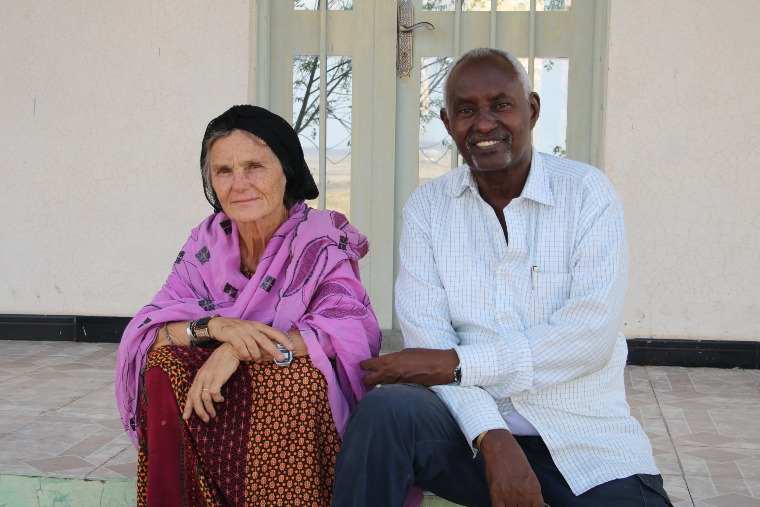
Founded by Australian nurse Valerie Browning and Afar leaders in 1993, the Afar Pastoralist Development Association (APDA) was created to meet the unique needs faced by the isolated and nomadic people of Ethiopia's north-east Afar region. Today, APDA works to end harmful traditional practices, advocate for the rights of women and girls, build up mobile, adaptable health and education services, provide emergency relief, and help communities rebuild following disaster.
Confirmation Content
Confirmation Content
BE PART OF POSITIVE CHANGE
Donate today to help vulnerable communities survive and overcome disaster - both now and into the future.
Ethiopiaid Australia believes in dignity, equality and justice for all people. We acknowledge the Traditional Owners of the lands on which we work in Australia, and pay our respects to their people, cultures and Elders past and present. Whether in Australia, Ethiopia or around the world, we affirm the importance of universal human rights and the inherent dignity of every person.
Confirmation Content
