Drought, food shortages and child malnutrition deepen humanitarian needs in northern Ethiopia
4 November 2026
Families across Ethiopia’s northern regions of Afar, Amhara and Tigray are facing an increasingly difficult humanitarian situation, as prolonged drought, rising food prices and ongoing insecurity leave vulnerable communities struggling to access food, healthcare and other basic necessities.
A report published by Addis Standard on 27 October 2026 highlights the growing pressures facing communities already affected by years of conflict, displacement and repeated climate-related challenges.
Children among the most vulnerable
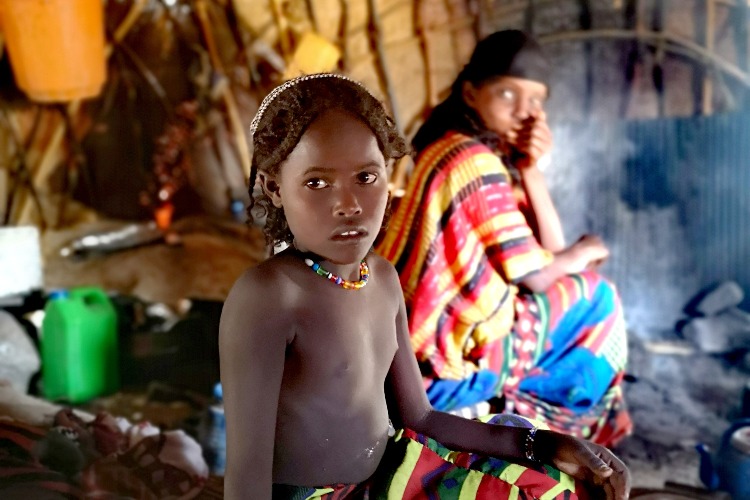
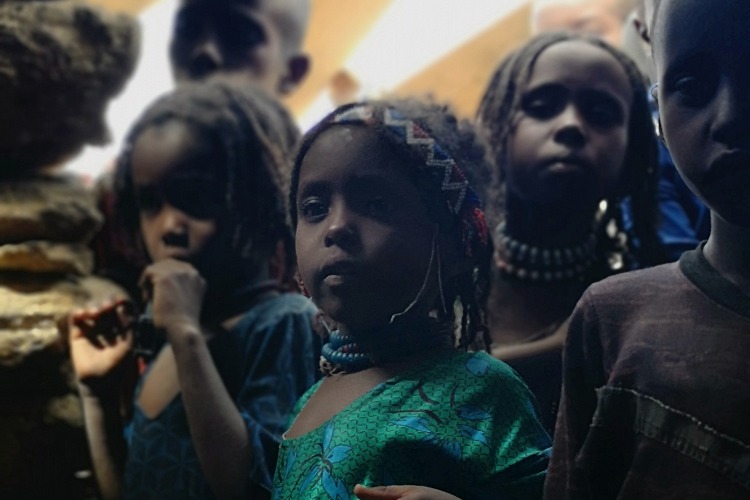
The situation is particularly concerning for children living in displacement communities, where access to adequate food and nutrition remains limited.
According to the humanitarian assessment cited by Addis Standard, screenings conducted in September and October across Laelay Adiabo, Axum and Adwa in Tigray found that approximately 15% of the 11,800 children screened were experiencing moderate acute malnutrition.
This highlights the serious nutritional challenges facing displaced families, with children at particular risk when households cannot access sufficient nutritious food.
Drought and crop failures leave families struggling
Across parts of northern Ethiopia, poor rainfall and failed harvests are placing enormous pressure on rural households that depend on agriculture and livestock for their survival.
In Raya Azebo, southern Tigray, the impact of drought has been particularly severe. Of approximately 26,000 hectares of farmland, around 10,000 hectares were reportedly left unplanted due to a lack of rainfall. Of the land that was cultivated, only around 400 hectares showed crop growth.
With harvests failing, livestock dying and food prices continuing to rise, many families have exhausted their savings and are struggling to afford even the most basic necessities.
Healthcare services under increasing pressure
The humanitarian crisis extends beyond food insecurity.
Healthcare facilities across the affected regions are experiencing shortages of essential medicines and medical supplies, while ongoing insecurity and damaged infrastructure are making it increasingly difficult for people to access treatment.
Hospitals in parts of Tigray have struggled to maintain services, with shortages of medical supplies and health workers further limiting access to essential care.
In Amhara, a cholera outbreak in Wag Hamra zone remains a concern, with limited treatment supplies reported. Mental health needs in conflict-affected parts of Afar are also significant.
Humanitarian assistance remains critical
Despite the challenges, humanitarian organisations continue working to deliver essential assistance to affected communities.
There have been some positive developments, including the delivery of medical supplies to northern Ethiopia. The World Health Organization dispatched more than 71 tonnes of medical supplies, while the International Committee of the Red Cross and the Ethiopian Red Cross Society delivered essential equipment and medicines to several hospitals and health centres.
However, access remains difficult in areas affected by ongoing hostilities, and the full scale of humanitarian needs is still unclear.
The need for continued support
The situation across Afar, Amhara and Tigray demonstrates how conflict, drought and food insecurity can combine to deepen an already devastating humanitarian crisis.
For families who have endured years of hardship, the loss of another harvest, the rising cost of food or the inability to access medical care can have life-threatening consequences.
Children, particularly those already displaced or experiencing malnutrition, remain among those most at risk.
Continued humanitarian access, urgent needs assessments and sustained support for vulnerable communities will be essential to ensuring families can access the food, healthcare and assistance they desperately need.
Source: This article draws on reporting by Addis Standard, published 27 October 2026: Drought, food shortages and child malnutrition deepen humanitarian needs in Afar, Amhara and Tigray.