
AREAS WE WORK
Child trafficking
Child trafficking, abuse and exploitation remain a hidden but serious threat. Deep poverty, high orphan rates, and rural-to-city migration in search of work mean many children grow up without stable homes, leave school early or end up on the streets, with some girls sold by desperate families or taken for sex work. The harm is societal. Each child trafficked or abused risks losing their childhood, their future and the chance to fully contribute to their community and wider society.
Confirmation Content
FAST FACTS
The challenge today
Ethiopia has some of the highest orphan rates in the world, roughly 5.6 million.
45% of children aged 5-17 years are engaged in some form of child labour.
68% of children will attend primary school but only 8% will attend upper secondary school.
One in 21 children will die before the age of 5.
OUR AIM
To protect vulnerable and orphaned children in Ethiopia from trafficking, abuse and exploitation by tackling their root causes and strengthening education, social services and family support.
Confirmation Content
WHAT YOUR DONATIONS DO
Solution in action
Protecting children from trafficking and abuse takes more than reuniting them with family; it means tackling the poverty, lack of education and gaps in child protection systems that traffickers exploit in the first place.
Group children’s homes
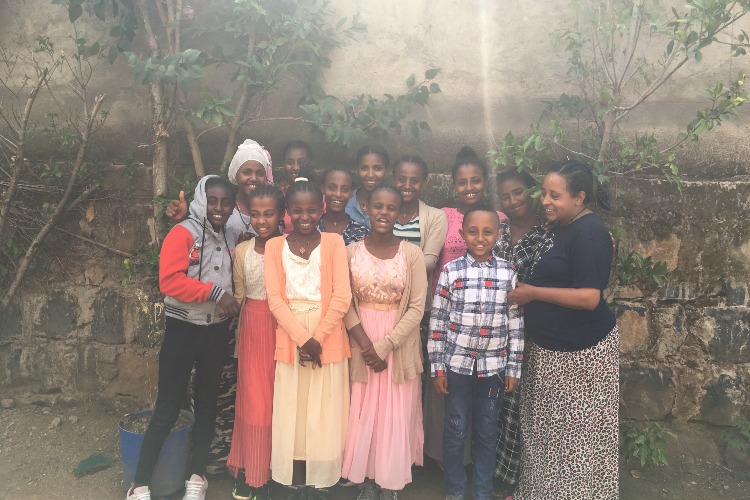
Group children’s homes give homeless, orphaned or abused children a stable place to live for as long as they need, with food, clothing, counselling, schooling and routine. At the same time, social workers work carefully to reunify trafficked children with their families where it is safe to do so.
Quality education
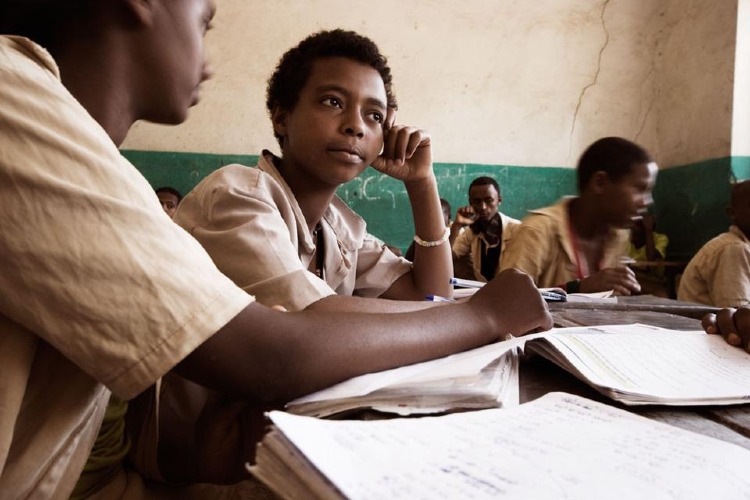
To keep children in school and away from the streets, education costs are reduced through the provision of school uniforms and supplies, free primary school breakfasts, high-school sponsorships and the provision of sanitary products for adolescent girls. Classrooms in disadvantaged schools are also refurbished and teachers offered refresher training.
Youth skill development
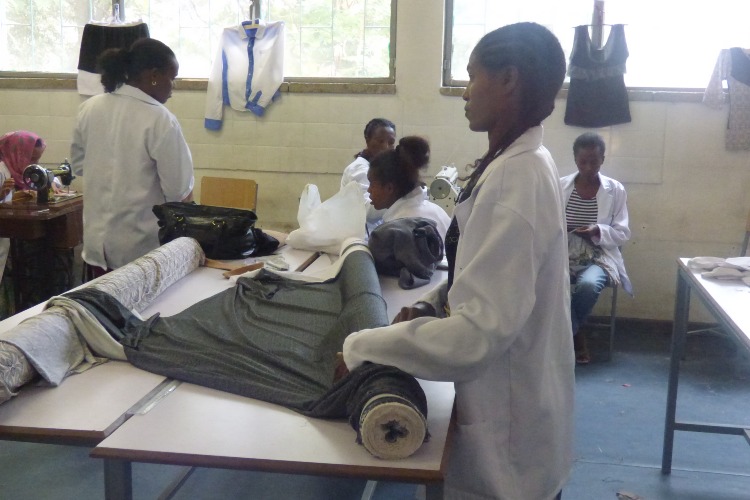
Older children and youth are supported with tutoring, life skills and pathways into training or work, so they have realistic alternatives to migration or street life. By building skills and confidence, these programs reduce the pull of risky jobs and false promises from traffickers.
Family capacity and livelihoods
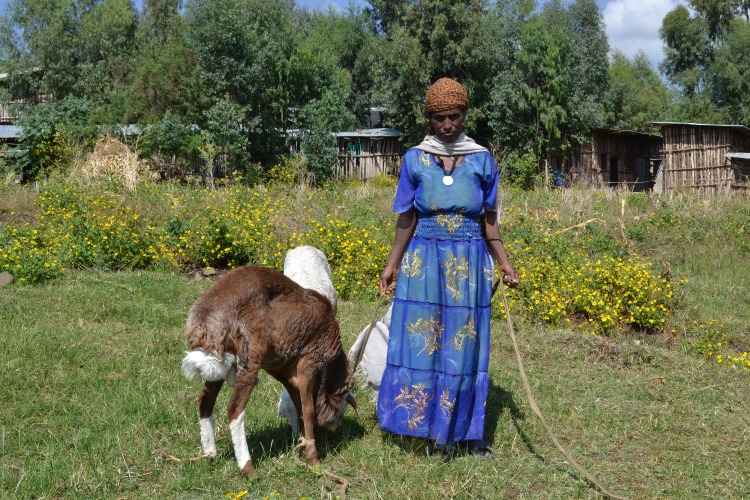
Livelihood training for single mothers and caregivers equips them with small business and income-generating skills, helping them meet basic needs without resorting to risky coping strategies. Stronger family incomes make children less vulnerable to traffickers’ offers of work, housing or “opportunity”.
Crisis and trauma care
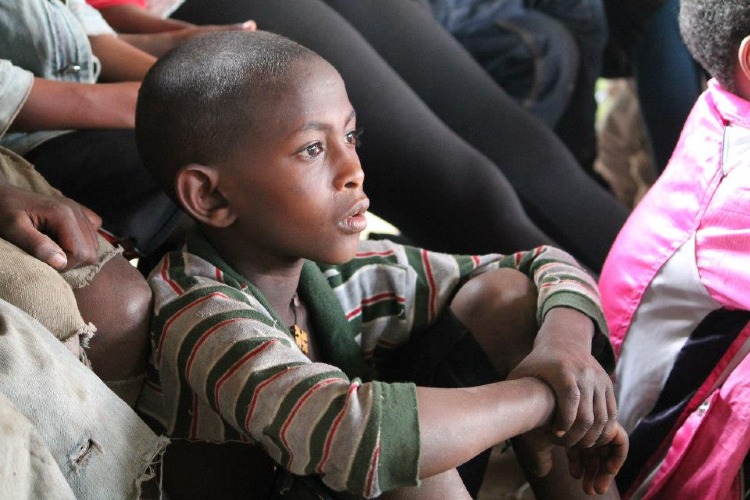
When a child has been abused or trafficked, integrated “one-stop” services provide medical care, psychosocial support and emergency shelter under one roof. This child-friendly approach reduces further trauma, helps stabilise the child in the critical first days and connects them to longer-term protection and recovery.
Training frontline protectors
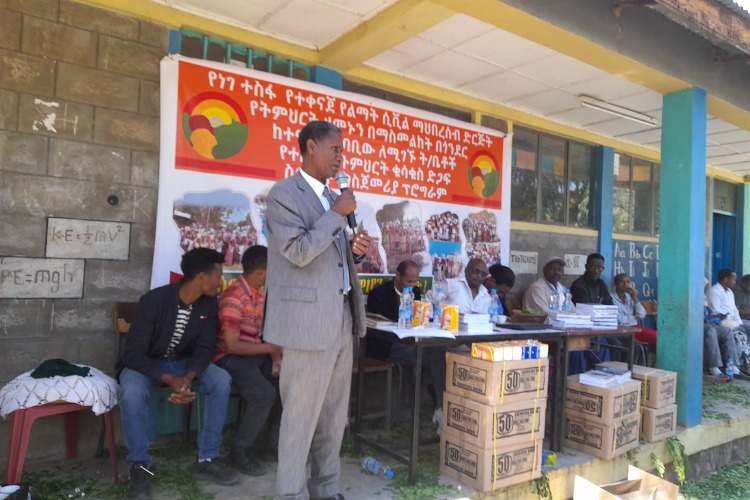
Police officers, teachers and local officials receive training to recognise the signs of trafficking and abuse, respond safely, and refer cases to appropriate services. Public awareness activities help these frontline protectors raise the alarm earlier and build stronger local systems that keep children safer.
Confirmation Content
THE IMPACT YOU CAN HAVE
“The love I got here I will never forget.”
When Hanna’s mother passed away, she had nowhere to go but the streets. In her home city of Gondar in northern Ethiopia, social services are extremely limited and there are high rates of orphans and child homelessness.
Girls in Hanna's situation are at acute risk of exploitation, violence and being drawn into child labour or trafficking. At just 15, Hanna spent three months moving between temporary jobs and unsafe places to sleep, constantly exposed to adults and peers who could have taken advantage of her desperation.
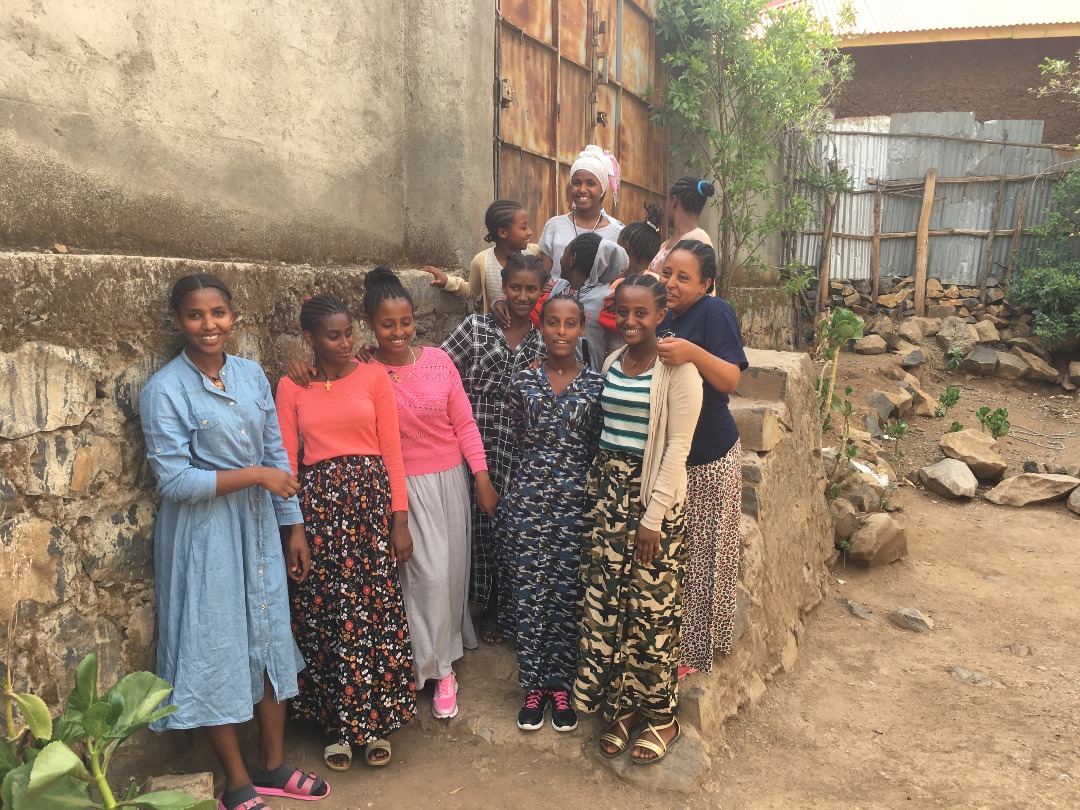
Thankfully, she was identified by project partners, Yenege Tesfa, and brought into a group children’s home. There, a house mother and “big sister” provided day-to-day care, guidance and emotional support. Hanna could live alongside other children in a family-style environment. Unlike what we think of as a traditional orphanage, Hanna and the other girls in the home are enrolled in the local school, are encouraged to make friends their own age in the wider community, and will be connected to higher education, employment and independent living opportunities when they're older.
“The love I got here I will never forget," says Hanna.
It speaks volumes about the caring and nurturing environment of these homes.
For now, Hanna is happily back in school, has routines that restore her sense of safety and belonging, and is discovering a love of reading and history. Her life has shifted from survival on the streets to a stable, nurturing home and a realistic path towards adulthood.
Confirmation Content
MEET THE TEAM
Project partners in Ethiopia
❯ Yenege Tesfa
Meaning “Hope for Tomorrow”, Yenege Tesfa are there for the most marginalised in society. They offer group homes for homeless children, run mobile schools for kids on the street, sponsor disadvantaged students, fund free medical services, and run agricultural livelihood programs for single mothers.
❯ Jerusalem Children & Community Development Organisation
Established in 1985, the Jerusalem Children & Community Development Organisation (JeCCDO) adopts a child- and community-based approach to provide access to basic services, increase opportunities for children and youth through education and skills training, and improve community development and quality of life.
Confirmation Content
Confirmation Content
BE PART OF POSITIVE CHANGE
Donate today to help vulnerable children in Ethiopia find safety, stay in school and rebuild their futures free from trafficking and exploitation.
Ethiopiaid Australia believes in dignity, equality and justice for all people. We acknowledge the Traditional Owners of the lands on which we work in Australia, and pay our respects to their people, cultures and Elders past and present. Whether in Australia, Ethiopia or around the world, we affirm the importance of universal human rights and the inherent dignity of every person.
Confirmation Content
